
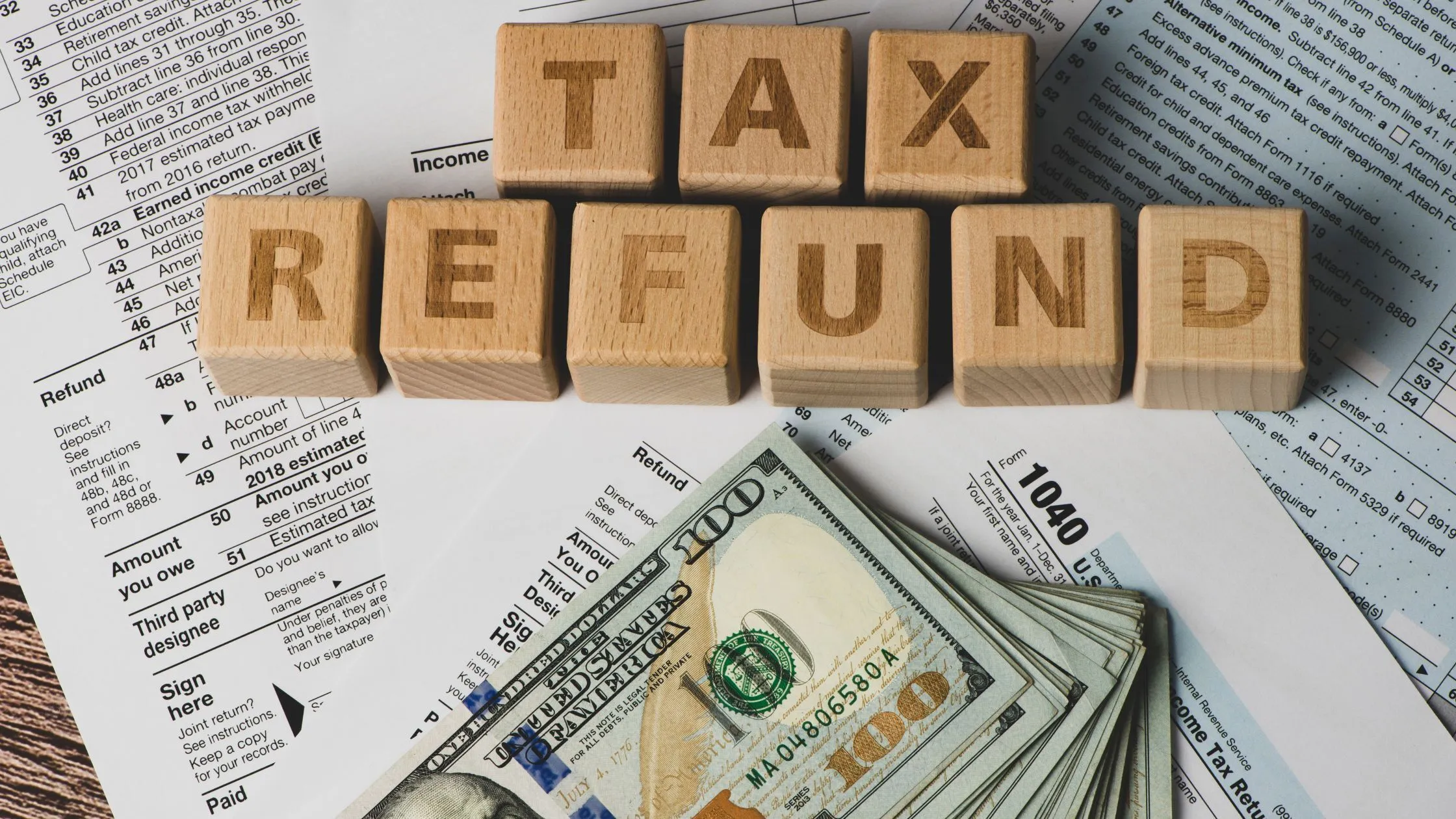
Every payroll system over-deducts from somebody. Starters, leavers, people with variable pay, people who changed jobs, people with deductible expenses. The interesting question is what happens next, and the answers divide sharply.
Three models
- Automatic assessment. The tax authority holds enough information to calculate your position, does so, and issues a refund or a bill without you doing anything. Denmark, Norway, Sweden, Finland, Estonia and New Zealand operate versions of this.
- Pre-filled return requiring confirmation. The authority prepares a return from data it already holds and asks you to check and submit it. Spain, Italy, France, Portugal and Chile work this way. Doing nothing sometimes means acceptance and sometimes means nothing happens.
- Claim only. Nothing happens unless you file. Germany, the United States, Japan for non-adjusted cases, and the United Kingdom for anything outside the payroll calculation.
Why the Nordic model works
Automatic assessment requires the authority to receive third party data on almost everything: salary from employers, interest from banks, pension contributions from funds, mortgage interest from lenders, union fees, property values. Denmark, Norway and Sweden built that reporting infrastructure decades ago.
The result is a system where most people confirm rather than compute, and a genuinely small compliance burden. It also means the state knows a great deal, which is a trade the Nordic public has broadly accepted and others have not.
Germany is the largest unclaimed pool
German payroll is non-cumulative, which structurally over-deducts for anyone whose income varies through the year, anyone who started or stopped working mid year, and anyone with deductible expenses. On top of that sit Werbungskosten, commuting relief, professional training, home office days and insurance premiums, none of which payroll knows about.
Filing is not compulsory for most employees on a single employment, which is precisely why so many do not. The deadline for a voluntary return is four years after the tax year in question, so a first time filer can usually claim several years at once. The mechanics are in cumulative and non-cumulative payroll and the deductions in Werbungskosten explained.
The British exception
The UK looks like a claim only country and mostly is not, because cumulative PAYE gets the answer right for the majority. Refunds still arise, and the common causes are worth knowing.
- Leaving employment part way through the tax year. Unused personal allowance for the remaining months is refundable and is not paid automatically unless you claim.
- Emergency tax on a first payslip. Usually self correcting, but not if you left the job quickly. See emergency tax.
- Work expenses. Professional subscriptions, uniform cleaning and some travel. Small individually and claimable four years back.
- Higher rate pension relief. Relief above the basic rate on personal pension contributions must be claimed and is frequently not.
- Marriage allowance. Transferring unused personal allowance between spouses, backdatable four years. Covered in marriage allowance.
How far back you can go
Retrospective limits are usually four years and occasionally more. Germany allows four years for a voluntary return. The United Kingdom allows four years for overpayment relief. Ireland allows four years. The United States allows three years from the filing deadline, after which the refund is forfeited permanently.
The practical implication is the same everywhere: if you have never filed and think you might be owed something, the oldest year is the one about to expire.
Related: Truck Driver Salary After Tax