
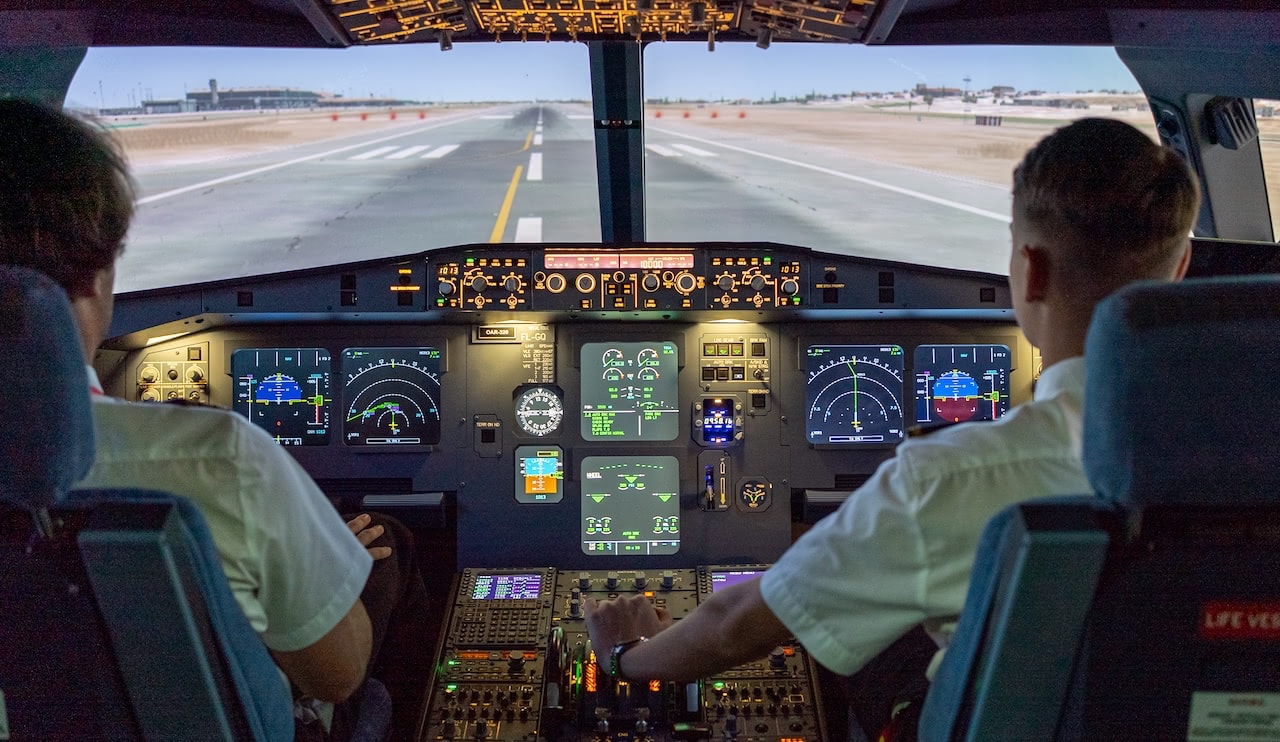
Airline pilots present the clearest possible version of the cross-border taxation problem. The work is performed in international airspace, over multiple countries, for an employer that may be incorporated somewhere else again.
The resolution, in European social security law and increasingly in tax practice, is the home base: the airport from which the crew member normally starts and ends duty periods.
How the rules work
- Social security within the European Union follows the home base, under a specific provision for flight and cabin crew introduced to end the previous uncertainty.
- Income tax generally follows residence and the treaty article on international traffic, which historically allocated taxing rights to the state of the airline's effective management. Many modern treaties have moved away from that towards residence.
- Residence is determined by the ordinary tests, and a pilot resident in one country with a base in another may face claims from both.
- The airline's country of incorporation is increasingly irrelevant to the individual's position, which was not always the case.
The shift to home base for social security ended a period in which crew employed by carriers registered in one country, based in another and resident in a third faced genuinely unpredictable outcomes. The document evidencing the position is the A1 certificate, covered in the A1 certificate.
Pay after tax by country
The figures below use a typical experienced narrow body captain or senior first officer salary in each country, on a single person basis and excluding sector pay and allowances.
* Federal deductions only; state or provincial tax is charged on top. † Foreign employees pay no CPF, so a local resident keeps less. ‡ Cantonal tax is an estimated average; the real figure depends on the commune. § Excludes the 13th and 14th salary payments, which are taxed at 6%. Converted at rates current when this guide was written.
Allowances are a significant part of the package
- Sector pay and flight duty pay are ordinary taxable income in every system on this list.
- Layover allowances covering meals and incidental costs away from base are exempt within published limits, in the same way as any other subsistence allowance. See per diems and travel allowances.
- Type rating costs paid by the pilot are deductible as professional training in most systems, and where the airline pays with a repayment bond the clawback raises the issues described in signing bonuses and clawbacks.
- Uniform and licence renewal costs are deductible where borne personally.
Contracting and third country bases
A portion of the industry operates through contractor arrangements and bases outside the European Economic Area, where the home base rule does not apply and the position depends on local law and any applicable treaty.
The Gulf carriers are the obvious case. A base in a jurisdiction with no personal income tax produces a high net figure, and the question then becomes whether the country of residence, or of citizenship in the American case, continues to tax the income. For most nationalities it does not once residence has genuinely moved, and for United States citizens it does. The general principles are in the 183 day rule.
Related: Truck Driver Salary After Tax